
You have looked in the mirror and wondered what a chip, a gap, or years of coffee stains would cost to fix. Then you searched the price and got ten different numbers. Here is a straight answer before you spend a dollar.
What veneers cost, in short
- Porcelain veneers run about $900 to $2,500 per tooth in 2026, with a national midpoint near $1,400 to $1,765.
- Composite veneers cost less, usually $250 to $1,500 per tooth, and go on in one visit.
- Most people fix 6 to 8 front teeth, so a full smile lands around $6,000 to $20,000 for porcelain.
- Southern and rural markets, including Kentucky, tend to sit at the lower end of these ranges.
- Ask Dr. Barry Wilson for a written quote before you decide, since your case sets the real number.
How much do veneers cost in Calvert City, KY?
Porcelain veneers cost roughly $900 to $2,500 per tooth in 2026. Composite veneers run about $250 to $1,500. Your final price depends on the material, how many teeth you fix, and the shape of each tooth underneath. Smaller Southern and Midwest markets often price below the big coastal cities, so a Calvert City quote may land under a New York or San Francisco one.
Those national ranges come from 2026 cost data compiled by CareCredit and by fee studies drawing on ADA and FAIR Health figures. The national average for a single porcelain veneer sits near $1,765, and the midpoint across the country hovers around $1,400.
Location moves the number a lot. Veneers Authority reports porcelain starting near $800 to $900 per tooth in smaller Southern and Midwest markets, against $1,600 to $3,000 in high cost cities. Western Kentucky is a smaller market, so patients here often see the lower band rather than the coastal one.
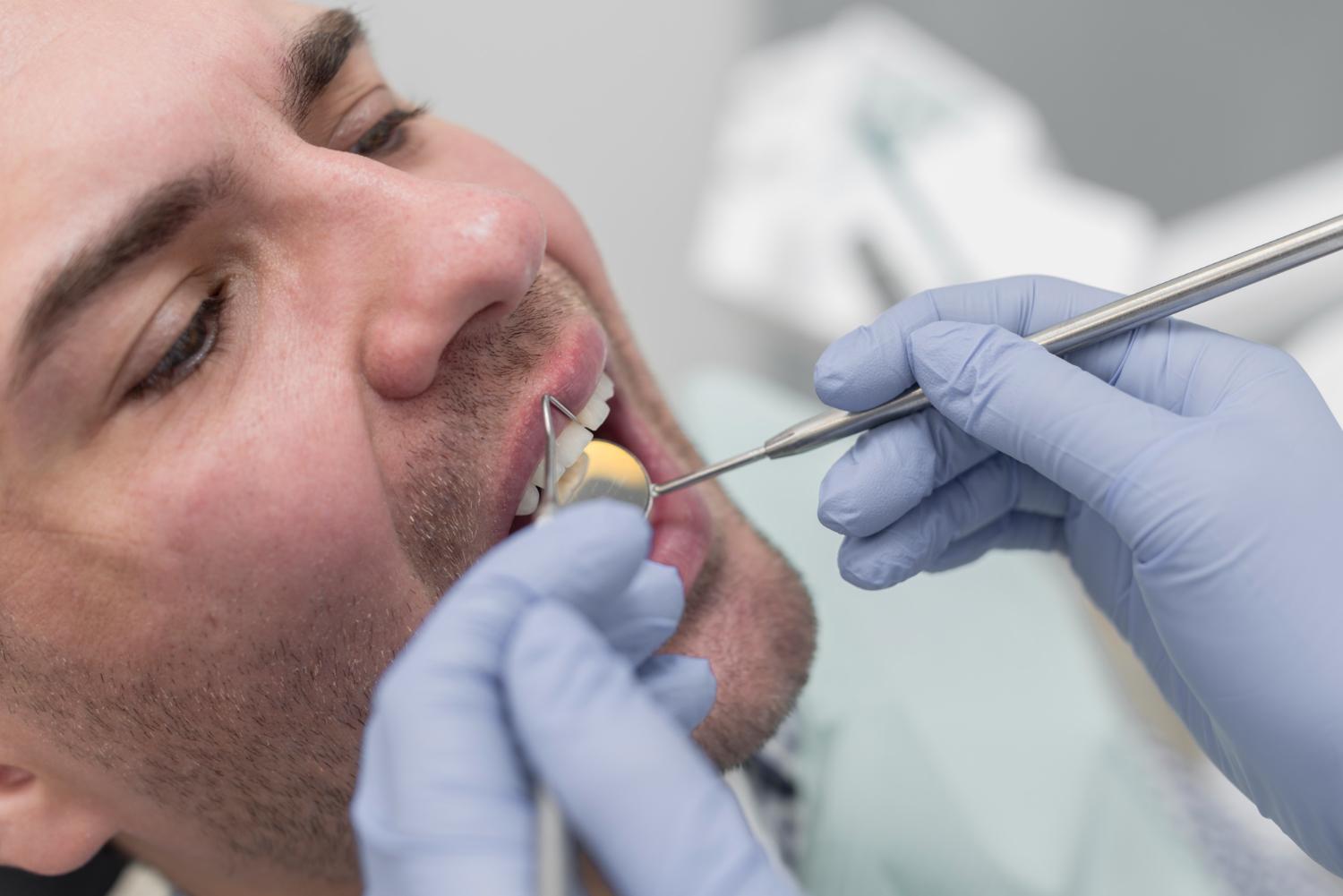
Dr. Wilson has placed cosmetic crowns and veneers in Calvert City for years, so a consultation gives you a real figure instead of a national guess. He looks at your teeth, counts the ones you want treated, and writes the number down.
Why does the price swing so much?
The price swings because a veneer is custom work, not a stock part. Material, lab time, the number of teeth, and the dentist’s cosmetic hours all move the total. One dentist may quote the same case at $1,200 and another at $3,000, and the gap usually comes from the lab and the dentist’s time, not the porcelain itself.
Here is what pushes your number up or down.
- Material. A dental lab builds porcelain by hand, which adds cost. Composite goes on in the chair with no lab step.
- Number of teeth. Six to eight is common for a full smile. Doing more at once sometimes earns case pricing, so it is worth asking.
- Case complexity. Worn teeth, an uneven bite, or old bonding can add prep work before the veneers go on.
- Dentist’s cosmetic focus. A dentist who does smile work regularly usually charges more than a general dentist fitting in the occasional veneer, and that difference tends to track the result.
One more thing worth knowing. If you plan to fix four or more teeth, ask about case pricing at your consultation. Cost guides note that many patients pay the full per-tooth rate simply because that conversation never happens. A few minutes of talking it through can change the total.
Porcelain veneers vs composite veneers
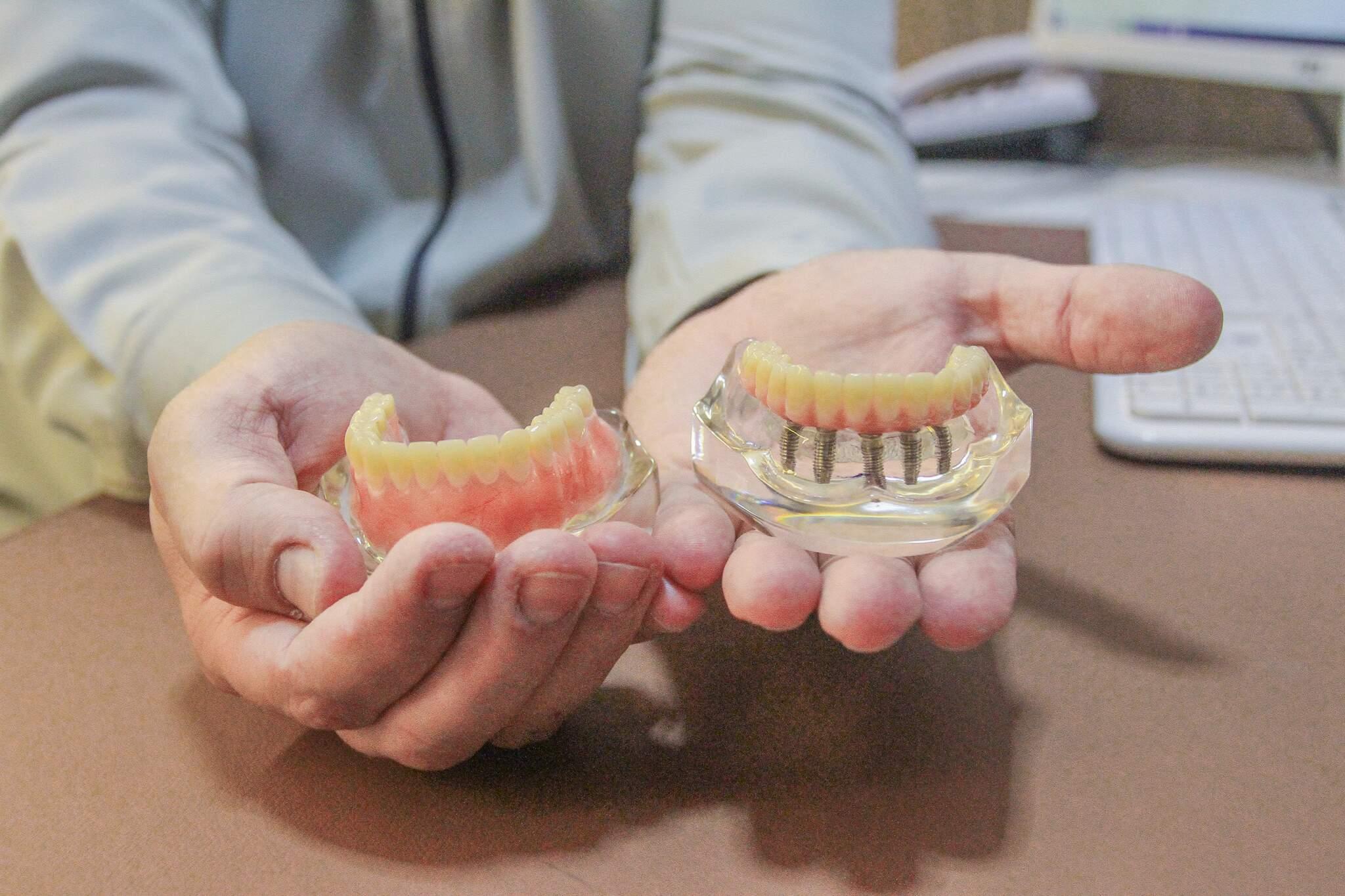
Porcelain and composite are both thin shells bonded to the front of your tooth, but they differ on cost and lifespan. Porcelain costs more upfront and lasts 10 to 15 years or longer, per the Cleveland Clinic. Composite costs less, goes on in one visit, and usually needs replacing around year five to seven. Which one fits depends on your budget and how long you want it to hold.
| Feature | Porcelain veneers | Composite veneers |
| Cost per tooth (2026) | $900 to $2,500 | $250 to $1,500 |
| Visits | Two, with a lab step | One, in the chair |
| Lifespan | 10 to 15 years or more | 5 to 7 years |
| Stain resistance | High | Lower over time |
| Best for | Long term front-tooth results | Smaller fixes on a tighter budget |
Sources for these ranges include CareCredit pricing data and the Cleveland Clinic on lifespan. Spread over the years each one lasts, porcelain’s higher sticker price often matches or beats composite on cost per year, because you replace it less often.
Does dental insurance cover veneers?
Most dental insurance treats veneers as cosmetic and pays nothing. Delta Dental and Aspen Dental both note that plans rarely cover veneers chosen to improve appearance. A plan may pay a share if a veneer restores a tooth damaged by trauma or heavy wear, but that is uncommon. Check your specific benefits before you count on any coverage.
Hi-Tech Family Dentistry is in-network with Delta Dental and Paramount and files claims for you, so you do not chase paperwork. Since veneers usually fall outside coverage, the practical question is how you pay the part insurance skips.
The office offers CareCredit financing, which spreads the cost into monthly payments. Patients without insurance can also join the in-house Membership Club, which covers cleanings and gives discounts on other treatment. Bring these up during your consultation so the cost fits your budget from the start.
Are veneers actually worth it?
Veneers are worth it for many people who want to fix stains, chips, gaps, or worn teeth in one step. They are also a permanent choice, so go in clear-eyed. The dentist removes a sliver of enamel, usually under a millimeter, and that does not grow back. Well-cared-for porcelain can last 10 to 20 years, which spreads the cost over a long stretch.
The upsides are real. Porcelain resists stains from coffee, tea, and wine far better than natural enamel, per multiple cosmetic dentistry sources. The look is natural, and the shells sit gently against your gums.
The trade-offs are real too. Removing enamel is permanent, your teeth may feel more sensitive to hot and cold for a while, and you cannot whiten a veneer later, so the shade you pick is the shade you keep. Anyone with active gum disease, decay, or a heavy grinding habit usually needs that handled first.
Good candidates share a few things. You have healthy gums, enough enamel for the shells to bond to, and no untreated decay on the teeth in question. If you grind at night, a nightguard often comes first so the veneers hold up. A quick exam tells you where you stand.
If cost is the worry, remember the long game. A porcelain set that lasts 15 years costs less per year than the sticker price suggests. Dr. Wilson can walk you through whether veneers or a simpler fix makes more sense for your teeth.
What to expect if you are nervous about the chair
If dental anxiety has kept you from fixing your smile, veneers do not have to be a white-knuckle visit. Hi-Tech Family Dentistry offers laughing gas sedation, and the treatment rooms have massaging chairs, warm blankets, soft pillows, and TVs. Dr. Ashton Pool focuses on patients who feel anxious, drawing on his own history as a car accident survivor. You can go at your own pace.
Comfort is a real part of the decision here. Laser dentistry cuts down the vibration and noise that set many people on edge. Early morning hours, starting at 7 AM on Monday, Wednesday, and Friday, mean you can come before work instead of taking a day off.
Getting a veneer quote in Calvert City, KY
The only way to know your real cost is a consultation, where the dentist counts your teeth and checks what each one needs. Hi-Tech Family Dentistry has served Calvert City and the wider Marshall County area since 1978, and Dr. Barry Wilson places cosmetic veneers and crowns here. A visit gives you a written number, your material options, and a payment plan that works.
Serving Calvert City, Benton, Paducah, Draffenville, Gilbertsville, and nearby Western Kentucky communities, the office makes it easy to get a straight answer close to home. Call Hi-Tech Family Dentistry at 270-395-7116 to book a veneer consultation with Dr. Barry Wilson and see what your smile would actually cost.